
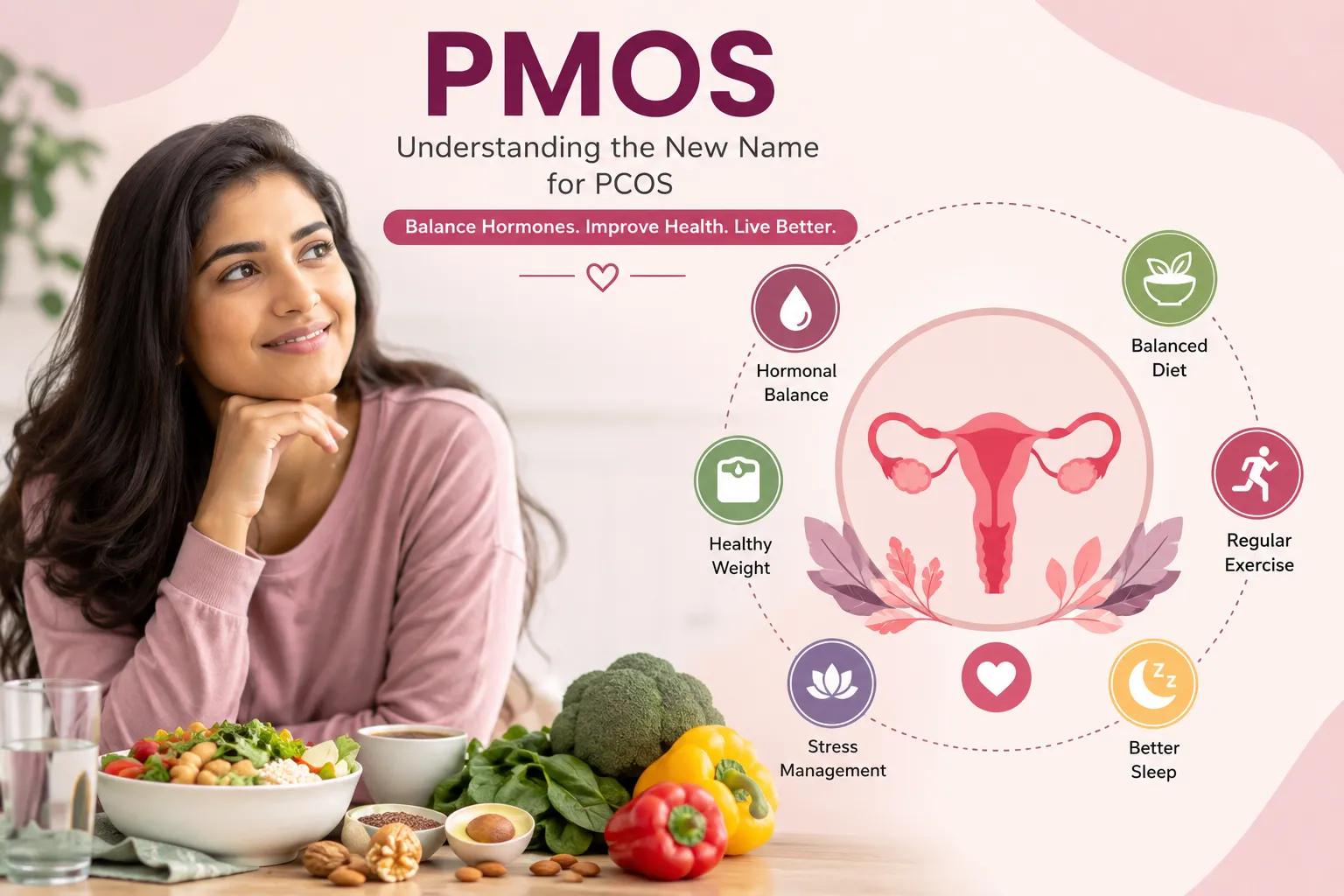
Understanding PMOS in Women: Causes, Symptoms, and Diet Tips for Hormonal Health
Many women have heard the term PCOS, but recently, experts renamed it PMOS — Polyendocrine Metabolic Ovarian Syndrome.
This change is important because the older name, Polycystic Ovary Syndrome, made many people believe the condition was only about ovarian cysts. In reality, PMOS is much more complex. It can affect hormones, metabolism, periods, skin, hair growth, weight, fertility, insulin response, and long-term health.
PMOS is common among women across the world, including South Asian women. Many women live with symptoms for years without realizing that irregular periods, acne, weight gain, excess facial hair, or difficulty conceiving may be connected to an underlying hormonal and metabolic condition.
The good news is that PMOS can be managed. With early diagnosis, medical support, balanced nutrition, regular movement, stress management, and better lifestyle habits, many women can improve symptoms and feel more in control of their health.
What Is PMOS?
PMOS stands for Polyendocrine Metabolic Ovarian Syndrome. It is the new name for the condition previously known as PCOS.
The new name highlights three important parts of the condition:
Polyendocrine means it involves multiple hormones, not just reproductive hormones.
Metabolic means it is closely linked to insulin resistance, blood sugar balance, weight, cholesterol, and long-term metabolic health.
Ovarian means it can still affect ovulation, menstrual cycles, and fertility.
According to the American Society for Reproductive Medicine, the name PMOS was introduced because the old term PCOS often led to misunderstanding, missed diagnoses, and limited treatment focused only on ovaries or cysts.
Why Was PCOS Renamed PMOS?
The name PCOS focused too much on “polycystic ovaries.” But not every woman with the condition has ovarian cysts, and cysts are not the full story.
Many women with PMOS experience symptoms because of insulin resistance, higher androgen levels, inflammation, and metabolic imbalance.
The Endocrine Society explains that the new name was created through a global effort to improve diagnosis and care for a condition affecting more than 170 million women worldwide.
This name change helps shift the conversation from “just a reproductive issue” to a whole-body condition that deserves proper medical attention.
Common Causes and Risk Factors of PMOS
The exact cause of PMOS is not fully understood, but several factors may contribute to it.
Genetic Predisposition
PMOS often runs in families. If your mother, sister, or close female relatives have had irregular periods, excess hair growth, fertility challenges, or metabolic issues, your risk may be higher.
Insulin Resistance
Insulin resistance is one of the most important factors in PMOS. It happens when the body does not use insulin properly, leading to higher insulin levels.
Higher insulin can signal the ovaries to produce more androgens, which may disturb ovulation and menstrual cycles.
South Asian women may develop insulin resistance at lower body weights compared to some other populations, which makes awareness especially important.
Hormonal Imbalance
Women with PMOS often have higher levels of androgens, sometimes called male-type hormones. This can lead to acne, excess facial or body hair, scalp hair thinning, and irregular ovulation.
Lifestyle Factors
A sedentary lifestyle, poor sleep, high stress, and diets rich in refined carbohydrates and ultra-processed foods may worsen insulin resistance and symptoms.
Inflammation
Some research suggests that low-grade inflammation may also play a role in PMOS. This may contribute to hormonal imbalance and metabolic problems.
Common PMOS Symptoms Women Should Watch For
Symptoms can vary from person to person. Some women have mild symptoms, while others experience multiple signs.
Common symptoms include:
Irregular periods
Missed, delayed, very light, or very heavy periods can be a sign of ovulation problems.
Acne and oily skin
Persistent acne, especially around the jawline, chin, or lower face, may be linked to higher androgen levels.
Excess facial or body hair
Hair growth on the chin, upper lip, chest, stomach, or back is known as hirsutism and is common in PMOS.
Weight gain or difficulty losing weight
Many women with PMOS struggle with weight gain, especially around the abdomen, due to insulin resistance and hormonal imbalance.
Thinning hair on the scalp
Some women experience hair fall or thinning similar to male-pattern hair loss.
Dark patches on the skin
Dark, velvety patches around the neck, underarms, or skin folds may be linked to insulin resistance.
Fertility challenges
Irregular ovulation can make it harder to conceive, but many women with PMOS can still get pregnant with the right medical guidance.
Mood changes
Anxiety, low mood, irritability, and reduced confidence can also affect women living with PMOS.
Why Early Diagnosis Matters
PMOS is not just about periods or fertility. If left unmanaged, it may increase the risk of type 2 diabetes, high cholesterol, sleep problems, fatty liver, and cardiovascular health concerns.
Early diagnosis can help women manage symptoms before they become more difficult.
The 2023 International Evidence-Based Guideline for PCOS, now relevant to PMOS care, emphasizes accurate diagnosis, lifestyle support, metabolic screening, and individualized treatment.
PMOS Diet Tips for Better Hormonal Health
There is no one perfect PMOS diet for everyone. The best diet is balanced, sustainable, and helps manage insulin levels, inflammation, energy, and cravings.
Focus on Whole Grains
Choose slow-digesting carbohydrates instead of refined carbs.
Good options include:
- Brown rice
- Millets
- Quinoa
- Oats
- Whole wheat chapati
- Dalia
- Barley
- Ragi
- Jowar
- Bajra
These foods release glucose more slowly and help prevent sudden blood sugar spikes.
Add Protein to Every Meal
Protein helps you feel full and supports blood sugar balance.
Good protein choices include:
- Dal
- Chana
- Rajma
- Sprouts
- Paneer
- Curd
- Greek yogurt
- Tofu
- Eggs
- Fish
- Chicken
- Soy chunks
- Nuts and seeds
A roti-only or rice-only meal may make you hungry sooner. Pair carbs with protein for better balance.
Eat More Fiber
Fiber supports digestion, gut health, fullness, and blood sugar control.
Include:
- Vegetables
- Fruits
- Lentils
- Beans
- Seeds
- Whole grains
- Salads
- Leafy greens
Try to fill half your plate with vegetables whenever possible.
Choose Healthy Fats
Healthy fats support hormone function and help reduce cravings.
Good options include:
- Nuts
- Seeds
- Olive oil
- Mustard oil in moderation
- Avocado
- Fatty fish
- Flaxseeds
- Chia seeds
Avoid excessive fried foods, trans fats, and repeatedly reheated oils.
Reduce Sugary and Processed Foods
High-sugar foods can worsen insulin spikes and cravings.
Limit:
- Sugary drinks
- Packaged juices
- Biscuits
- Cakes
- Pastries
- Candy
- White bread
- Refined flour snacks
- Deep-fried fast foods
- Highly processed packaged foods
You do not need to quit everything forever, but frequency and portion size matter.
Use Spices Wisely
Some traditional kitchen ingredients may support digestion and blood sugar balance when used as part of a healthy diet.
Helpful options include:
- Turmeric
- Cinnamon
- Fenugreek seeds
- Ginger
- Cumin
- Black pepper
These are not cures, but they can make meals more nourishing and flavorful.
Simple Plate Method for PMOS
A balanced PMOS-friendly plate can look like this:
Half plate:
Vegetables or salad
One-quarter plate:
Protein such as dal, paneer, tofu, eggs, fish, chicken, or legumes
One-quarter plate:
Whole grains such as roti, brown rice, millet, quinoa, or oats
Add:
Curd, nuts, seeds, or a small amount of healthy fat
This approach is easier than following strict diet rules.
Lifestyle Tips to Manage PMOS
Regular Exercise
Exercise improves insulin sensitivity, supports weight management, boosts mood, and helps hormonal balance.
Helpful options include:
- Brisk walking
- Strength training
- Yoga
- Cycling
- Swimming
- Dancing
- Pilates
- Home workouts
Try to include both cardio and strength training. Even 30 minutes of movement most days can make a difference.
Strength Training
Strength training is especially helpful for insulin resistance because muscles use glucose more effectively.
You can start with:
- Bodyweight squats
- Wall push-ups
- Resistance bands
- Light dumbbells
- Lunges
- Core exercises
Start slowly and increase gradually.
Stress Management
Chronic stress can affect hormones, cravings, sleep, and overall health.
Try:
- Deep breathing
- Meditation
- Journaling
- Yoga
- Prayer
- Nature walks
- Talking to someone you trust
- Reducing screen time
Stress management does not need to be perfect. Even 10 minutes daily can help.
Better Sleep
Poor sleep can worsen insulin resistance and cravings.
Aim for 7–9 hours of quality sleep when possible.
Simple sleep tips:
- Keep a fixed sleep schedule
- Avoid screens before bed
- Keep the room dark
- Avoid heavy late dinners
- Limit caffeine in the evening
- Create a calm bedtime routine
When to See a Doctor
You should speak to a healthcare professional if you notice:
- Irregular periods for several months
- Excess facial hair
- Severe acne
- Sudden weight gain
- Hair thinning
- Difficulty getting pregnant
- Dark patches on the skin
- Mood changes
- Very heavy bleeding
- Long gaps between periods
A doctor may recommend blood tests, ultrasound, metabolic screening, thyroid testing, and treatment based on your symptoms.
Treatment may include lifestyle changes, medicines for periods, insulin resistance treatment, acne or hair growth treatment, fertility support, or hormone therapy depending on your needs.
Important Note
PMOS is manageable, but self-diagnosis is not enough. Many symptoms can overlap with thyroid disorders, high prolactin, adrenal conditions, or other hormonal problems.
Always get proper medical evaluation before starting medicines, supplements, or strong herbal remedies.
Conclusion
PMOS, previously known as PCOS, is more than a reproductive condition. It is a hormonal and metabolic condition that can affect periods, skin, hair, weight, mood, fertility, and long-term health.
The new name helps women and doctors understand the condition more clearly. It reminds us that the focus should not be only on ovarian cysts, but also on insulin resistance, hormones, metabolism, and whole-body well-being.
With the right diagnosis, balanced diet, regular movement, stress control, sleep support, and medical guidance, women can manage PMOS more confidently.
The goal is not perfection. The goal is awareness, early action, and consistent care.
Frequently Asked Questions
1. What is the new name for PCOS?
PCOS has been renamed PMOS, which stands for Polyendocrine Metabolic Ovarian Syndrome.
2. Why was PCOS renamed PMOS?
The old name focused too much on ovarian cysts, while the new name better reflects the hormonal, metabolic, and whole-body nature of the condition.
3. Is PMOS the same as PCOS?
Yes, PMOS is the new name for the condition previously called PCOS.
4. What are the common symptoms of PMOS?
Common symptoms include irregular periods, acne, excess facial hair, weight gain, scalp hair thinning, fertility issues, and dark skin patches linked to insulin resistance.
5. Can PMOS be cured?
There is no single permanent cure, but symptoms can be managed with lifestyle changes, diet, exercise, medical treatment, and regular monitoring.
6. What is the best diet for PMOS?
A balanced diet with whole grains, protein, vegetables, fiber, healthy fats, and limited refined sugar can help support hormonal and metabolic health.
7. Is weight loss necessary for PMOS management?
Not always. Even small lifestyle changes can improve symptoms. For women with excess weight, modest weight loss may help improve insulin resistance and cycle regularity.
8. Can women with PMOS get pregnant?
Yes, many women with PMOS can get pregnant. Some may need lifestyle support, ovulation tracking, medicines, or fertility treatment depending on their condition.
Read More: